
What is Orkut?
Orkut was a social media site founded in 2004 by former Google employee Orkut Büyükkökten. Orkut became popular early on for its Communities feature, where users could join or create groups based on shared interests. These groups often grew into vibrant social networks, giving people a unique space to connect, share ideas, and make new friends.
The modern consumer
In 2024, despite Orkut’s shutdown, social media still thrives as a platform for sharing ideas and connecting with others. There’s no reason to believe that social media won’t continue to impact digital consumerism for many years to come. Statista data cited by Thrive Agency predicts social selling will reach $8.5 trillion by 2030, highlighting its lasting impact and growing demand.
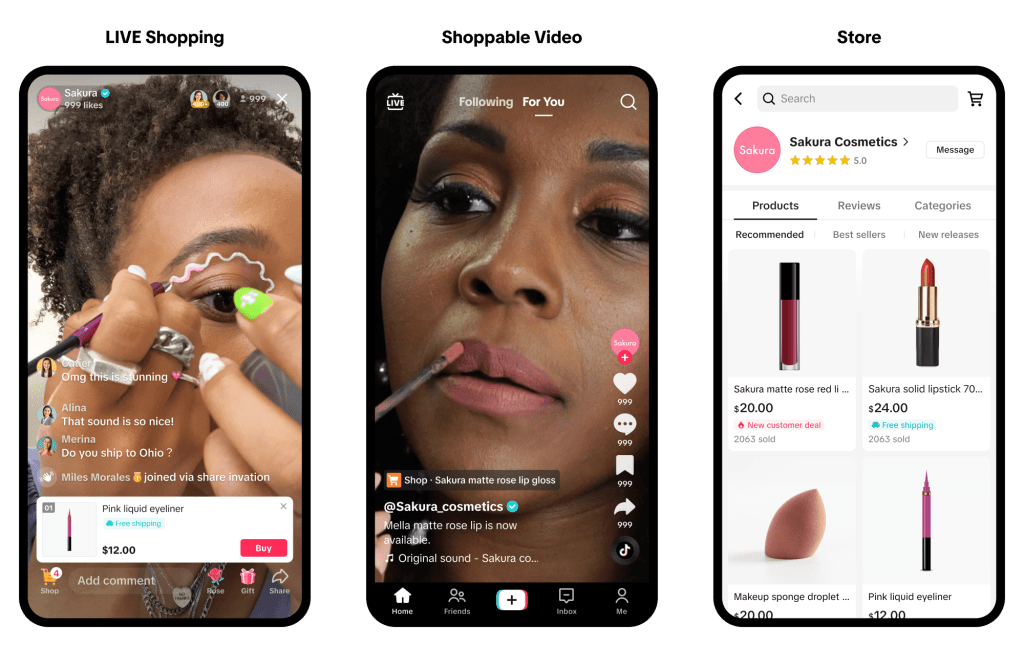
As a modern user of social media, I see this impact every time I open TikTok on my phone. Typically by my 3rd or 4th scroll, I’m greeted with a livestream where a user is marketing items that can be purchased within app via the TikTok shop
via Sprout Social
Why the community structure was effective?
So, let’s go back to social media in the 2000s and early 2010s. Anecdotally, the landscape of social media was far different, and far less video-centric. Most communications were text-based by way of instant messaging, or posting on another users profile, or even in group forums.
The community format allowed groups of users to post amongst one another, and gather responses from other group members. This gives users access to a flurry of opinions and feedback on the topic at hand. Since all group members join for a common reason, they likely share similar preferences and dislikes.
This is especially appealing when considering the digital consumer at this stage in social media’s infancy. Orkut communities became hubs for buyer research and exchanging opinions with like-minded individuals.
Consumers would find the community model more appealing than a diffusion strategy because it is more peer-oriented. Diffusion describes how a new product is adopted over time, following a five-step process: knowledge, persuasion, decision-making, implementation, and confirmation.
Within the community framework, the phases of knowledge, persuasion, and decision-making are often accelerated. This happens because the product is introduced by one user to others who see them as a colleague or even a friend. Opinions from like-minded individuals carry more weight than those from people with no shared interests. If a community member recommends a product to another member, the recipient is more likely to make a purchase. This is because they trust the recommender to provide better advice than a stranger or a third-party source.
Wrap Up
Orkut, despite shutting down, remains a prime example of how community-driven social networks can bring people together and influence consumer decisions. Social media users continue to value opinions and advice from those they trust and relate to, which remains a big part of how digital shopping works. Platforms like TikTok have taken this idea further by integrating video and real-time communication into the social shopping experience. As social media evolves, it will be fascinating to see how social selling reshapes digital consumer roles.
 John Yacano | Growth Marketing Professional